


Celebrate your successes. Find some humor in your.
Świętuj swoje sukcesy. Śmiej się z porażek
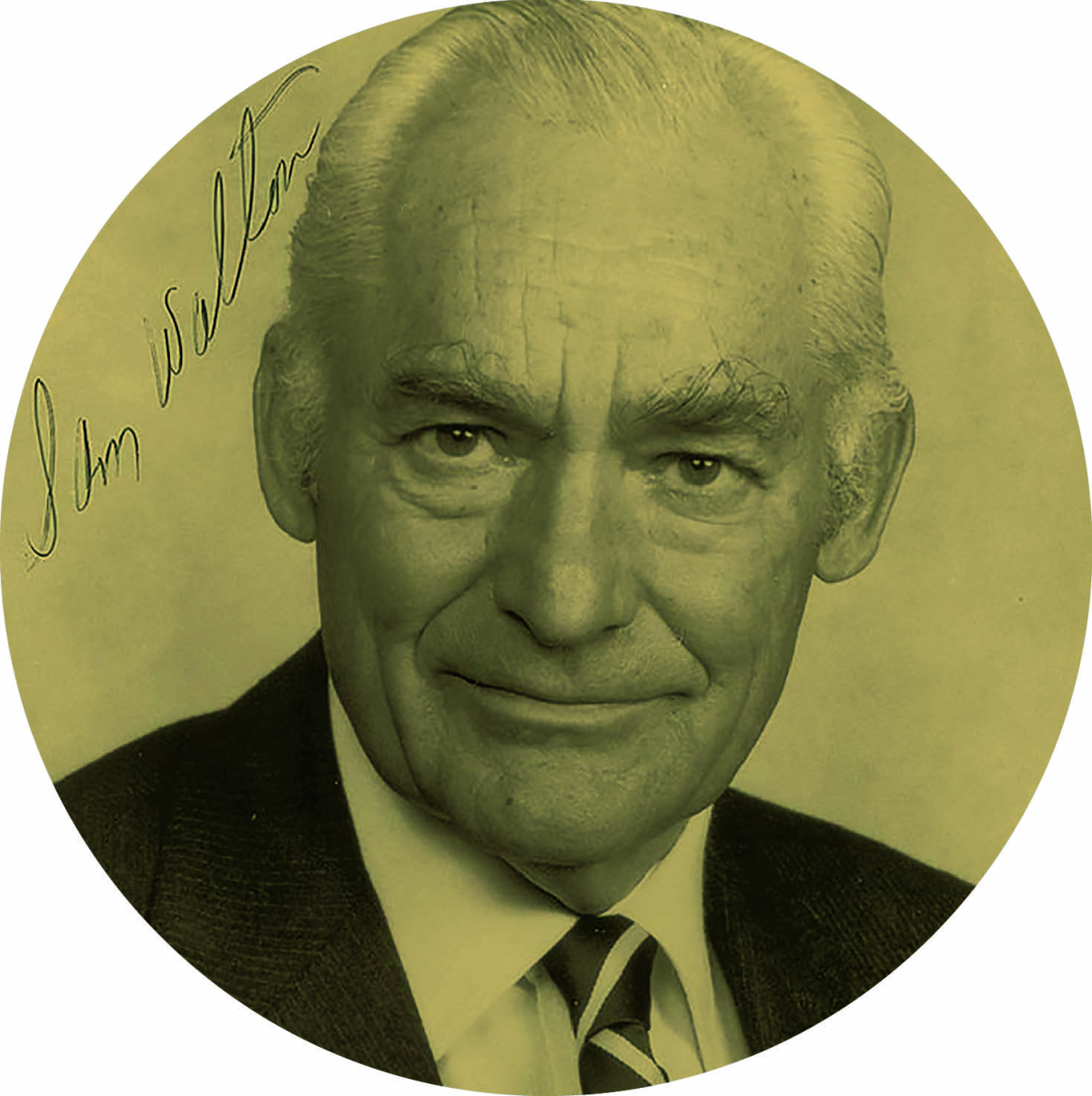
Przygotowując się do pisania kolejnego artykułu, najpierw, jak zwykle, skierowałam się do Amazon.com, skarbnicy książek dostępnych za jednym kliknięciem. Wyszukiwana fraza: Sam Walton. Jedna pozycja. Wyszukiwana fraza: Walmart. Kilkadziesiąt pozycji. Tytuły książek: How the World’s Most Powerful Company Really Works-and How It’s Transforming the American Economy, To Serve God and Wal-Mart, People of Walmart: Shop and Awe, Walmart: How I Got The 60 Cent Raise, The Walmart Book of the Dead, How Walmart Is Destroying America (And the World): And What You Can Do about It, Wal-Mart Wars: Moral Populism in the Twenty-First Century… – pokazują, jak żywy i kontrowersyjny jest w Stanach Zjednoczonych temat tego największego w dziejach świata konglomeratu sprzedażowego.
Kim był człowiek, który stworzył to nieprawdopodobne imperium? W czym przypominał ojca Ikei, a w czym króla indyjskiego biznesu? I co oznacza określenie Walmart Effect?
Sam Walton was born in Oklahoma in 1918, which means that he was growing up during the turbulent times of the Great Depression. It started in 1929 with a massive crash on Wall Street. The effect spread throughout the world, hitting all businesses in all countries connected to the global network. However, the US was obviously hit the hardest with customer debt skyrocketing and personal tragedies following. The situation of the poorest was even worse 5 years later with Dust Bowl, an unprecedented ecological catastrophe hitting the American prairies. As Walton himself later wrote: “No question about it, a lot of my attitude toward money stems from growing up during a pretty hardscrabble time in our country’s history: the Great Depression. Oklahoma was hard hit during that Dust Bowl era.”



 POTRZEBUJESZ POMOCY?