


Is there still room for EQ?
Koncepcja inteligencji emocjonalnej (EQ), czyli zdolność do rozpoznawania i rozumienia własnych emocji, zrobiła furorę w świecie biznesu. Okazało się, że zdolności intelektualne i techniczne nie gwarantują sukcesu. Szef, który nie rozumie stanu emocjonalnego swoich pracowników, nie jest dobrym przywódcą. Wiele firm wprowadziło założenia koncepcji inteligencji emocjonalnej do swoich modeli kompetencji na kluczowych stanowiskach i do cyklu szkoleń. Jeszcze do niedawna przywództwo emocjonalne miało kluczowe znaczenie dla skuteczności menedżera. Ale czy w dobie cyfryzacji, kiedy maszyny i sztuczna inteligencja przejmują tak wiele obowiązków człowieka, jest nadal miejsce dla emocji?
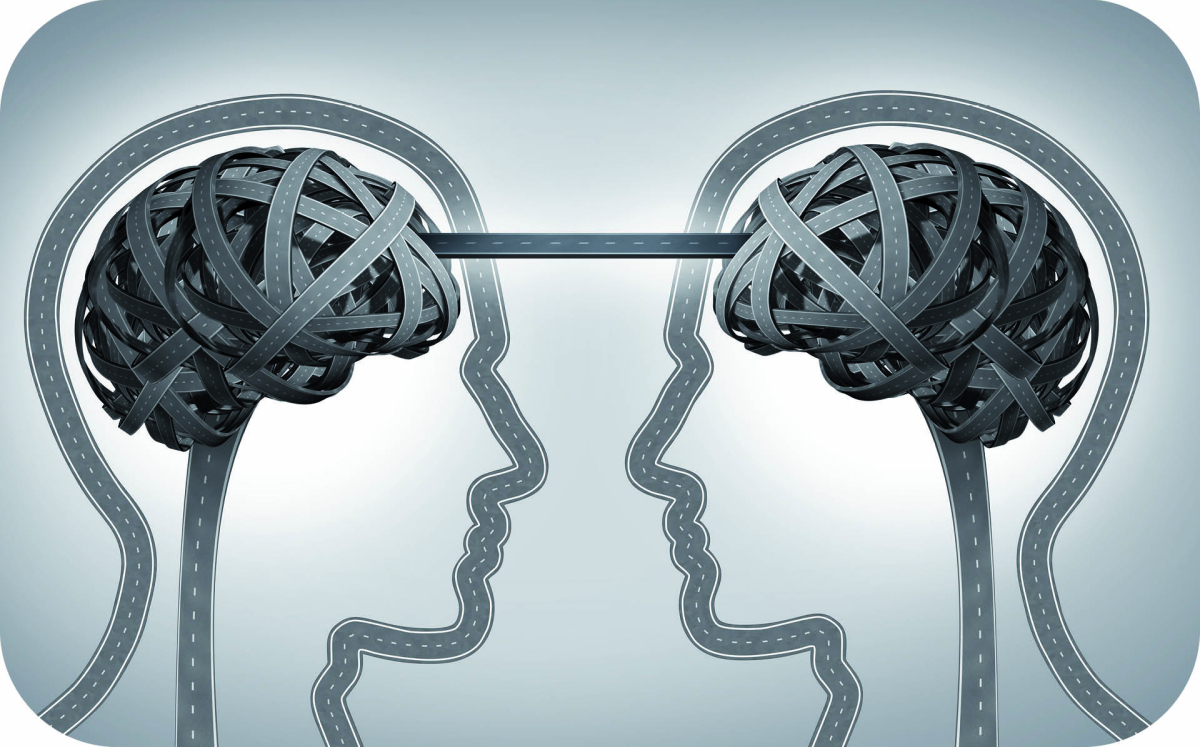
The term Emotional Intelligence is not new. It was coined by two psychology professors in 1990. According to one of the authors, it refers to the ability to accurately perceive your own and others’ emotions; to understand the signals that emotions send out about relationship, and to manage your own and others’ emotions’. Daniel Goleman popularised the term and demonstrated the importance of the concept in business leadership. In his 1995 book ‘Emotional Intelligence’, he took a holistic approach to defining intelligence and proposed that apart from cognitive intelligence, generally regarded as IQ, there is a more elusive factor that leads to success. Traditional IQ on its own will not work without the addition of EQ– emotional intelligence.


 POTRZEBUJESZ POMOCY?